
This past weekend, Icelandic congregations celebrated Hvíta Sunnudagurinn, or Pentecost Sunday, a significant event in the Christian calendar. This holiday marks the descent of the Holy Spirit upon the apostles, symbolizing the birth of the Church. In Iceland, the observance of this holiday unfolds across numerous communities, many of which are anchored in historic churches that have withstood the test of time.
The Significance of Pentecost in Iceland
Hvíta Sunnudagurinn holds deep spiritual meaning as Christians commemorate the arrival of the Holy Spirit. It's a time of reflection, prayer, and community gatherings. Many Icelandic churches engage in special services, including festive worship, communal meals, and spiritual teachings that highlight the transformative power of the Holy Spirit.
#### Notable Celebrations in Historic Churches
In Reykjavík, Hallgrímskirkja stands as a prominent landmark, not only for its striking architecture but also for its role in community faith. Each year, this iconic wooden church organizes a special service for Pentecost, attracting locals and visitors alike. The resonance of the organ and the harmony of hymns echo through the high ceilings, creating a profound spiritual experience.
Beyond the capital, Skálholt Cathedral, one of the oldest churches in Iceland, also celebrates this important day. Located in the historic site of the first bishopric established in Iceland, Skálholt holds deep historical significance. The cathedral often hosts a service with readings and hymns that embrace the themes of the Holy Spirit's empowerment and unity among believers.
Discovering Historic Churches with Sancta
For those seeking to participate in Pentecost festivities or other church services throughout the year, Sancta offers a convenient platform to find churches near you. With a focus on old churches in Iceland, the app provides details regarding service times, community events, and church histories, making it easier for families, travelers, and locals to engage with their spiritual heritage.
Community Life and Church Traditions
As the celebrations unfold, many communities also focus on shared meal traditions, enhancing fellowship among congregants. For instance, at Áskirkja í Reykjavík, the congregation often hosts a potluck following the service, where families bring traditional dishes to share. This practice not only brings nourishment but fosters a sense of belonging and togetherness in faith.
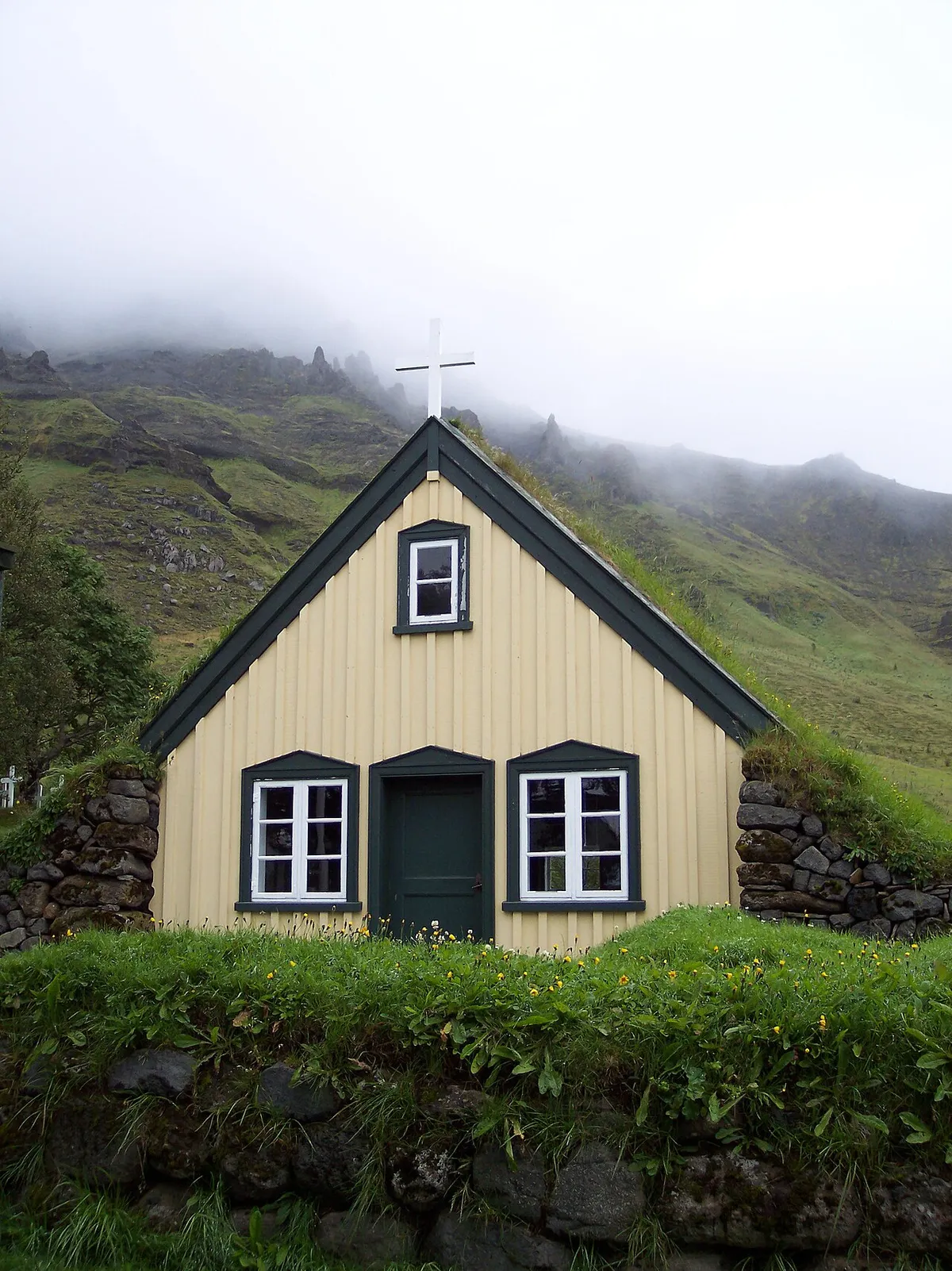
Additionally, in remote churches like Hofskirkja in the Vatnajökull region, local residents gather for services that highlight their unique cultural expressions of Christianity. Known for its turf architecture, Hofskirkja embodies the relationship between Icelandic nature and spirituality, creating a peaceful environment for worship.
Historic Architecture and Modern Faith
Historic churches in Iceland, such as Borgarneskirkja and Ábæjarkirkja, feature unique architectural styles that tell the story of Iceland's Christian journey. These wooden churches not only serve as places of worship but also as cultural monuments that connect generations of believers. They remind us of the importance of preservation, as they house communal memories and shared faith.
Conclusion
Hvíta Sunnudagurinn serves as a powerful reminder of the role that historic churches play in cultivating a resilient and vibrant Christian faith in Iceland. The observance in these sacred spaces is not just about tradition; it's about community, connection, and continuing the legacy of faith passed down through generations. To explore more about historic churches and their vibrant congregations, visit Sancta to discover how you can engage with these communities. Whether you're a lifelong resident or a traveler seeking cultural connections, the richness of Icelandic Christianity awaits you in these sacred spaces.