
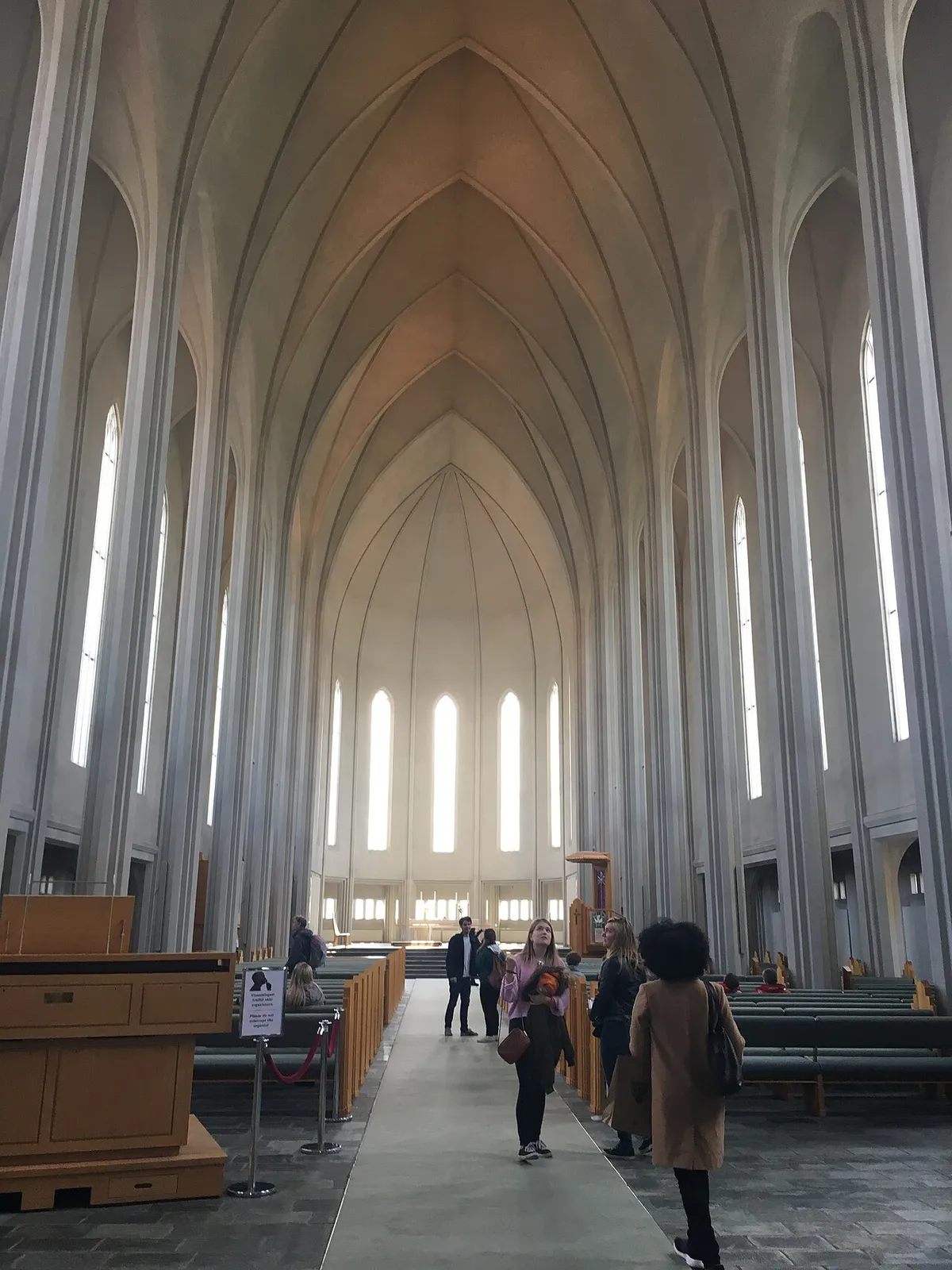
The Icelandic church calendar is filled with vibrant liturgical traditions that reflect the deep-rooted Christian customs practiced across the island. One such celebration is the Feast of the Epiphany, observed on January 6. This event symbolizes the revelation of Christ to the Gentiles, represented by the visit of the Magi. Churches like Hallgrímskirkja in Reykjavík hold special services on this day, inviting the community to participate in readings and hymns that celebrate the significance of this feast.
Another important celebration is Þorrablót, which occurs during the month of Þorri (January-February) and is traditionally marked with community gatherings. While this feast incorporates elements of Icelandic pagan traditions, many Christian congregations use it as an opportunity to reflect on the deep connection between faith and culture. For example, Árbæjarkirkja hosts special services focusing on gratitude and community spirit during this time. Attendees often share stories of faith and resilience through the long winter months.
In Iceland, the season of Lent is another time steeped in faith and tradition. Beginning on Ash Wednesday, it is a period of reflection and preparation for Easter. Many churches, including Akraneskirkja, offer midweek services during Lent. These gatherings often involve prayer, confession, and contemplative worship that helps the community focus on personal and collective faith journeys. Lent culminates in Holy Week, where services grow in intensity, leading to the joyful proclamation of Easter.
Community Involvement in Worship
The communal aspect of church life is vital in Iceland. Many congregations focus on fostering relationships through small groups, choir practices, and outreach programs. Dómkirkjan í Reykjavík serves as a central hub for many community activities. It offers workshops and events that emphasize service and charity, encouraging parishioners to live out their faith actively. By participating in these activities, church members embody the spirit of Christ's teachings.
Moreover, families in Iceland often seek ways to engage their children in the church community. Services are designed to be family-friendly, incorporating elements that are appealing to all ages. Many churches, such as Fríkirkjan í Reykjavík, host family services monthly, where children can participate in plays or musical performances that narrate biblical stories. This approach not only nurtures faith but also strengthens community ties.
Finding Services with Sancta
For those looking to engage with these vibrant church traditions, Sancta is an invaluable resource. As Iceland's first app dedicated to helping people find churches and services, Sancta allows you to explore nearby locations, check service times, and discover community events. Whether you're a local resident or a traveler seeking spiritual enrichment, you can easily find churches near you through the app.
Conclusion: The Importance of Traditions
Iceland's Christian traditions are a vital part of its cultural identity, enriching the lives of many through worship, community involvement, and shared experiences. From the solemnity of Lent to the joy of Easter, each liturgical season invites participants to engage deeply with faith and each other. By using Sancta, you can not only locate a church but also become part of the evolving story of faith that is uniquely Icelandic. Embrace these traditions, participate in community life, and witness the vibrant expressions of faith that flourish in churches across the country.