
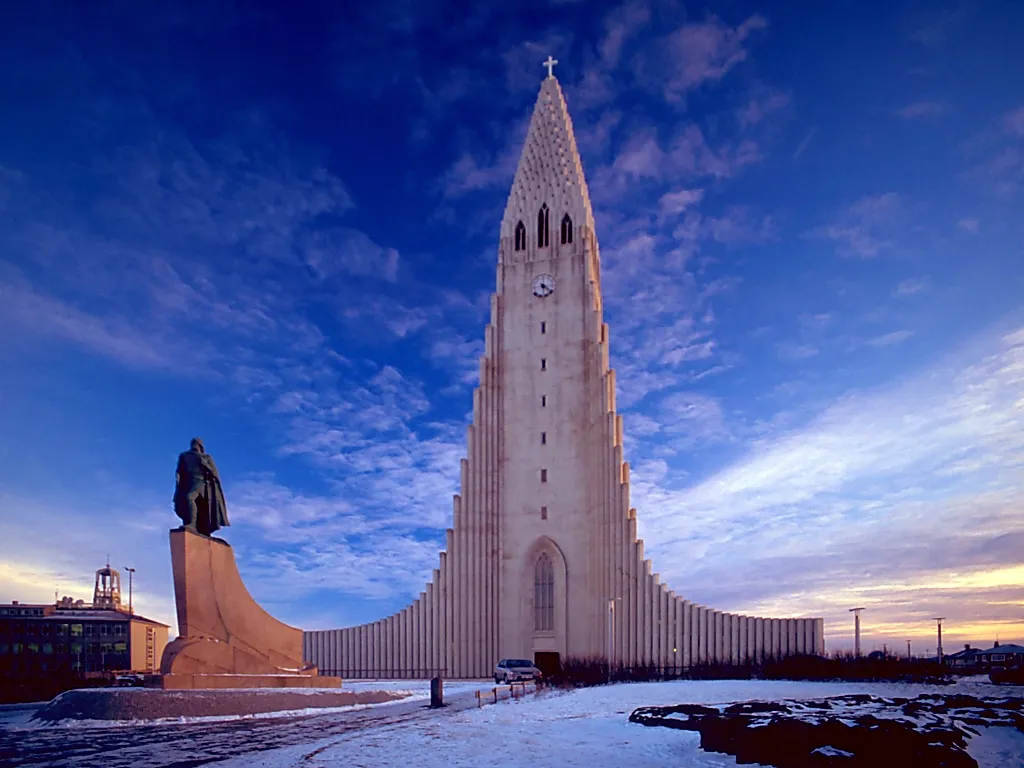
In the heart of Iceland, the interplay of natural beauty and human craftsmanship is vividly expressed through its sacred architecture. Among the country's many churches, Hallgrímskirkja in Reykjavík stands out as a national symbol. This iconic structure, designed by Guðjón Samúelsson, was inspired by the basalt columns formed by volcanic activity - a fitting homage to Iceland's rugged landscape. With its towering spire, which rises 74.5 meters, Hallgrímskirkja offers panoramic views of the capital and embodies the spiritual aspirations of its community.
Church Architecture in IcelandThe evolution of church architecture in Iceland reflects the island's rich history and the adaptability of its people. The earliest churches were simple structures made from wood and turf, designed to withstand the harsh climate. Over time, these evolved into more substantial buildings, many of which are still in use today.
For instance, Hofskirkja, a beautifully preserved turf church located in Southeast Iceland, showcases traditional building techniques. This church dates back to the late 19th century and is one of the last remaining turf churches in Iceland. Its sloping roofs and grass-covered exteriors blend seamlessly with the surrounding landscape, creating a striking visual connection with nature.
Exploring Sacred SpacesWhen visiting churches like Hofskirkja, you encounter more than just architectural beauty; you experience the living faith of Icelandic communities. Every Sunday, congregants gather to share in worship, partake in traditions, and celebrate life events such as baptisms and weddings. Sancta is a valuable tool for anyone wishing to partake in these gatherings, as it helps you find churches near you wherever you are in Iceland.
Apart from their spiritual functions, these churches often serve as cultural hubs. For instance, Skálholtsdómkirkja, located near the historic site of Skálholt, is not only a church but also a center for education and cultural preservation. It hosts concerts, exhibitions, and community events, drawing people from near and far. The church's architecture is a blend of traditional and modern, visually narrating the story of Iceland's ecclesiastical history.
Symbolism in ArchitectureEach church in Iceland boasts unique artistic and architectural elements. For example, the stained glass windows in Dómkirkjan í Reykjavík depict significant biblical scenes, designed to inspire and educate the faithful. These artistic choices are intentional, enhancing the worship experience and inviting reflection. The use of local materials in construction, whether it's the stone from nearby mountains or timber from local forests, connects Icelanders to their heritage and surroundings.
The Fríkirkjan í Reykjavík, another notable structure, is renowned for its lively community and welcoming atmosphere. The building itself features an Art Deco style, with bright colors and unique light fixtures, making it a distinctive landmark in the city. Regular services, community gatherings, and cultural events make it a vibrant center of faith.
Modern AdaptationsAs society evolves, so too does the role and design of churches. Newer structures, such as Árbæjarkirkja, reflect contemporary values while still honoring tradition. Built in the late 20th century, it features a minimalist design that emphasizes functionality without sacrificing the sacred atmosphere. It serves as a reminder that church architecture in Iceland is not just about the past; it is also focused on the present and future of community life.
Visitors intending to explore these beautiful churches can utilize Sancta to locate nearby services, ensuring they can engage with the local Christian community. The app provides details about service times, special events, and even points out historical aspects of each church, enhancing your understanding of Icelandic liturgical life.
Communal Life and TraditionsIn Iceland, church attendance remains an essential part of community life, woven into the fabric of local culture. Festivals such as Þorrablót, which celebrates traditional Icelandic customs during the month of Þorri, often have a church connection. Many churches open their doors for communal feasts and gatherings during this time, fostering a sense of belonging.
Moreover, the winter months are marked by the celebration of Advent, where churches like Aðventistakirkjan in Reykjavík offer special services and gatherings. These events not only strengthen faith but also create bonds of fellowship among participants.
As you explore the diverse church architecture throughout Iceland, you will find that each church tells a story - a narrative of faith, community, and resilience. For those interested in delving deeper into Iceland's sacred architectural heritage, Sancta can guide you to discover each gem, from bustling urban centers to serene rural landscapes. Whether you are a local or a traveler, the beauty and history of Iceland's churches await your exploration.
In conclusion, the sacred architecture of Iceland is a rich tapestry woven from history, artistry, and community spirit. Each church, with its unique design and compelling history, offers a window into the soul of Icelandic Christianity. Engaging with these spaces not only enhances your spiritual journey but also connects you with the heart of Iceland's culture. When you want to find churches near you or learn more about local traditions, remember that Sancta is your dedicated companion on this enlightening journey.