
The Symbolism in Icelandic Church Architecture
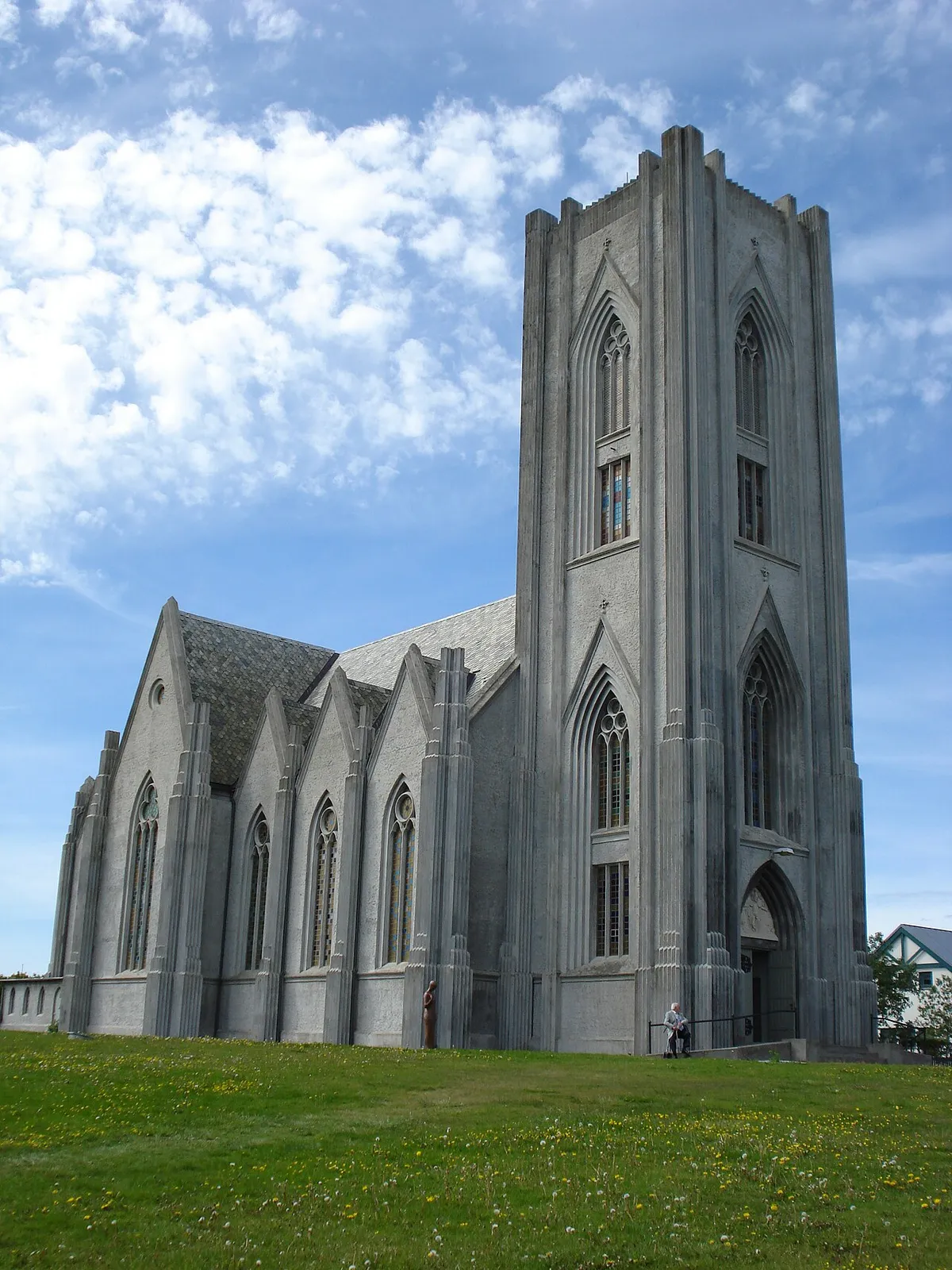
One cannot discuss church architecture in Iceland without mentioning the significant cultural influences that shape these sacred spaces. The structures often reflect the harsh yet beautiful Icelandic landscape, using local materials and traditional designs. With their striking lines and unique forms, Icelandic churches tell stories not just of faith, but also of a nation's resilience against nature.
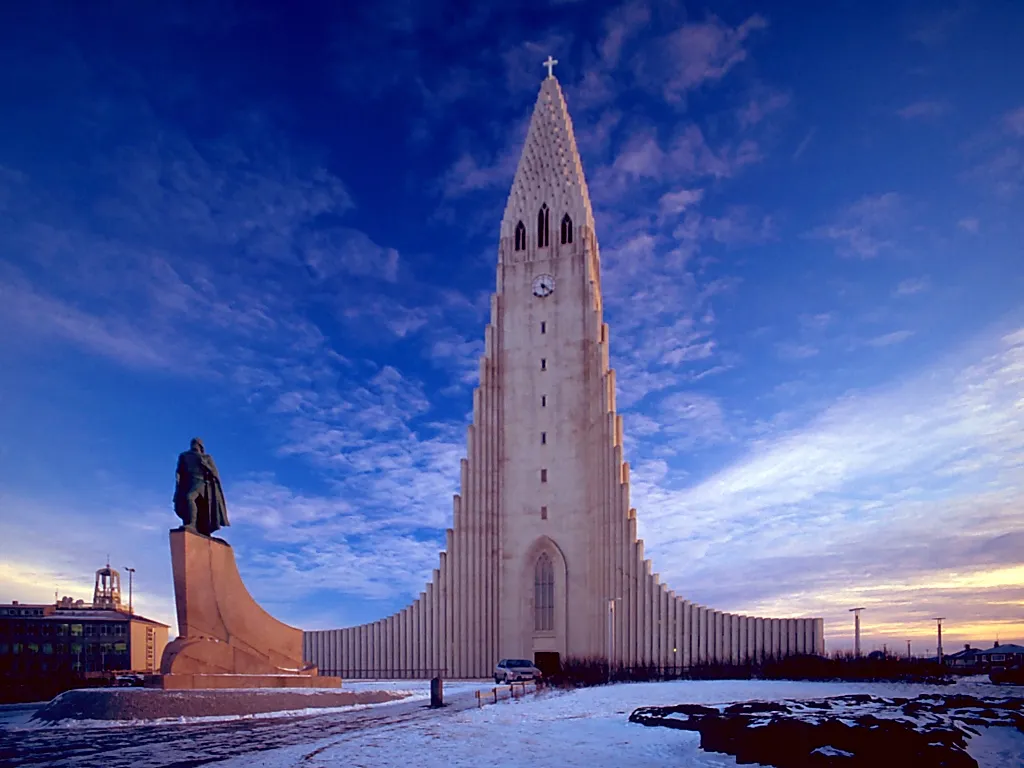
For instance, Hallgrímskirkja stands as a towering symbol in Reykjavik, designed to resemble the basalt columns found in Iceland's cliffs. The church, completed in 1986, dominates the skyline and serves as a focal point for both locals and tourists. Its distinct architecture is emblematic of Iceland's natural beauty and is a testament to the innovative spirit of Icelandic design. Visitors can attend services here and enjoy stunning views from the tower.
Exploring Hofskirkja: A Turf Church Wonder
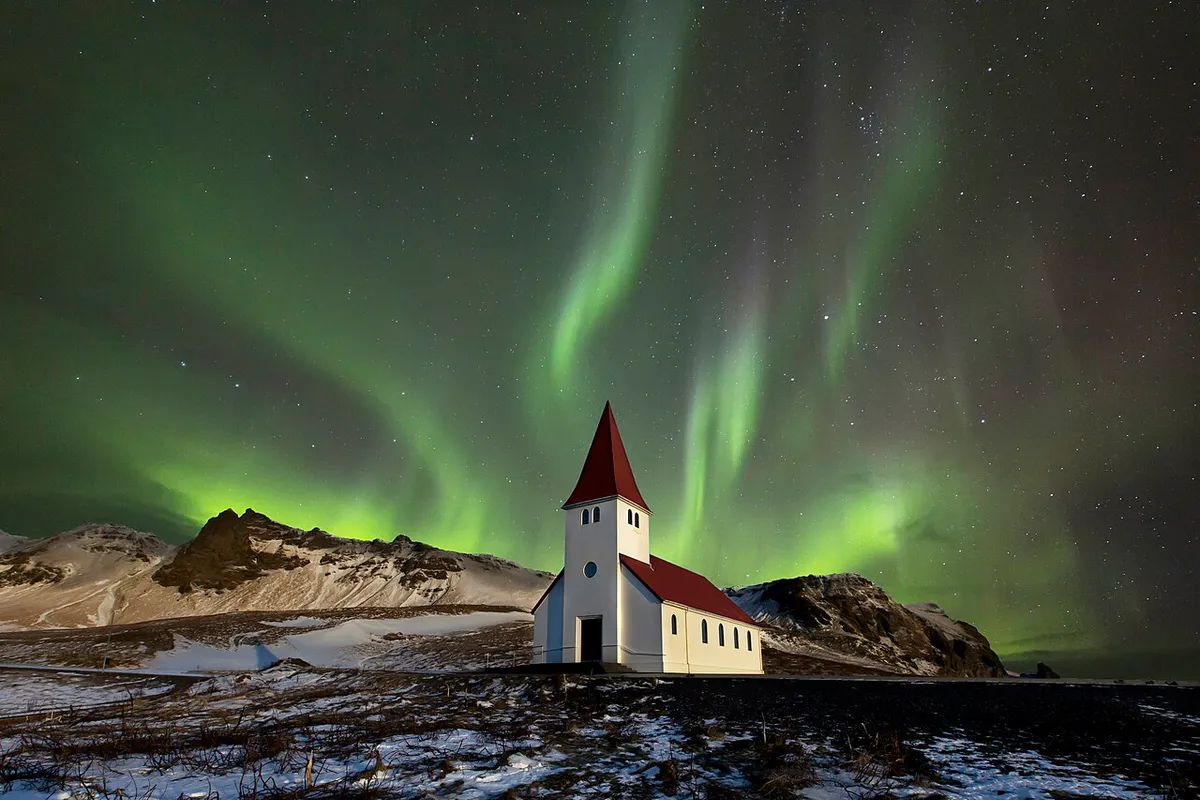
Another notable example of sacred architecture in Iceland is Hofskirkja, situated in the South East region of Iceland. This turf church, built around 1884, is one of the last remaining turf churches in the country, emphasizing traditional Icelandic building methods. The structure is cozy, with grass-covered roofs blending seamlessly into the surrounding landscape, reflecting a deep connection between nature and spirituality.
Hofskirkja is not only a place of worship but also a reminder of how Icelanders historically adapted their architecture to the environment. The church's intimate atmosphere nurtures community life, making it an excellent spot for families looking to engage in local faith practices. To find services at Hofskirkja or other nearby churches, consider using the Sancta app, which provides updated information on church services across the island.
The Role of Church Art in Iceland
A significant aspect of Icelandic church design is the incorporation of art, which enriches the worship experience. Churches like Árbæjarkirkja in Reykjavík showcase beautiful stained glass windows and intricate altarpieces that tell biblical stories and convey profound messages of faith. This melding of art and architecture enhances the spiritual atmosphere, inviting contemplation and inspiration in both worshippers and visitors.
Art in churches also serves a practical purpose; it educates congregants about biblical narratives that might otherwise be lost. For families introducing children to Christian teachings, these artistic symbols can provide a vivid way to engage with scripture. If you're interested in exploring the artistic elements of Icelandic churches, Sancta can help you find churches near you.
Community Life Around the Churches
The Christian community in Iceland is particularly vibrant around its churches. Many congregations offer various activities beyond Sunday services, such as youth groups, Bible studies, and charity events. For instance, Akrakirkja in Akranes has a strong focus on family involvement and community outreach, making it an excellent choice for families seeking to deepen their faith while participating in local life.
These churches are often the heart of their communities, providing a space for connection and support among members. When searching for a local church, don't hesitate to reach out or contact us through the Sancta platform for specific information on activities and services.
Conclusion: Discovering Iceland's Sacred Spaces
Icelandic church architecture is not just about aesthetics; it embodies the spiritual and communal life of the nation. From the majestic Hallgrímskirkja to the intimate Hofskirkja, each building tells a story that reflects Iceland's landscape and heritage. Whether you wish to experience these architectural wonders firsthand or seek a community to engage with in faith, platforms like Sancta make discovering local churches and services straightforward and enriching.
As you explore these sacred spaces, consider how the architecture invokes a sense of the divine, inviting you to participate in the living tradition of faith in Iceland.