
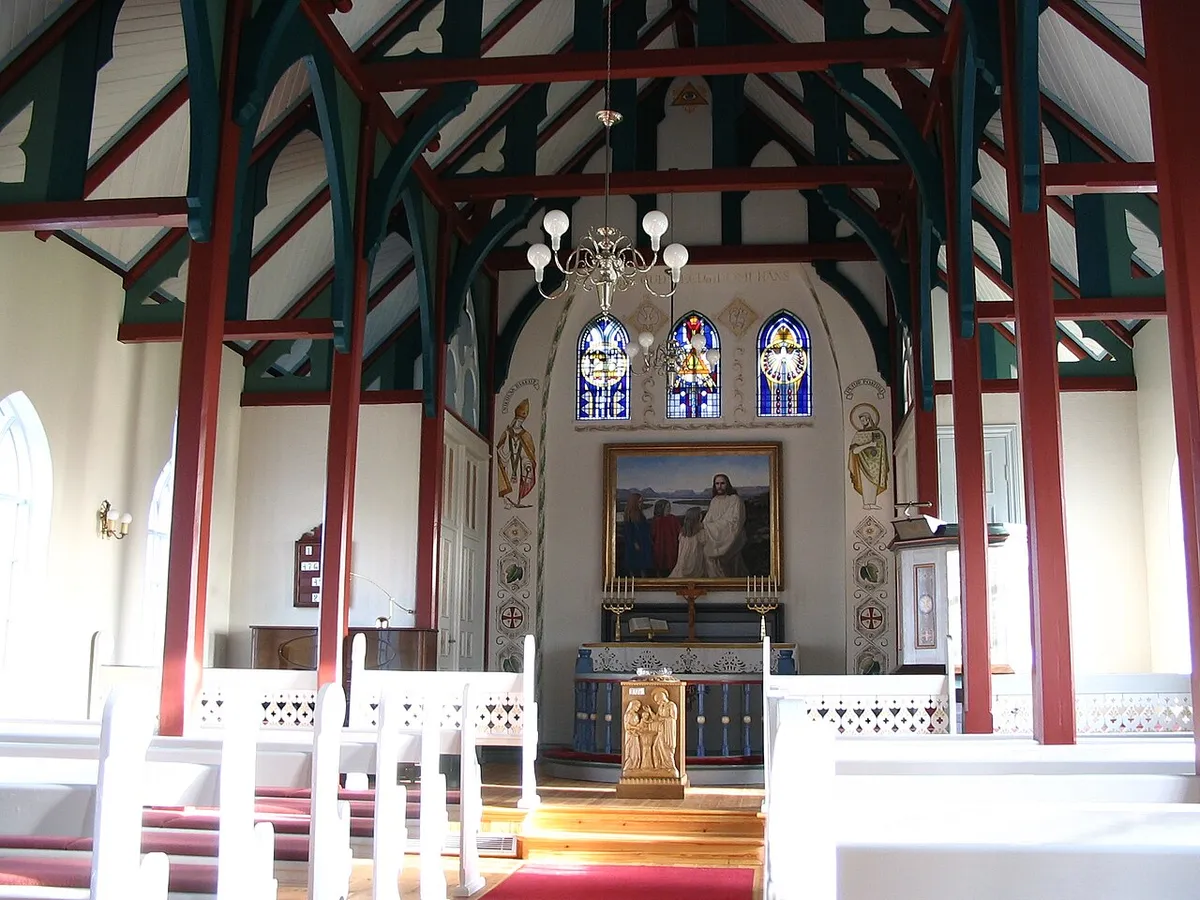
Picture a bustling shoreline, where eager crowds gather to hear the wise teachings of Jesus. In Mark 4, he shares vivid parables that unveil deep spiritual truths, inviting listeners to reflect on their own faith journeys.
The Reading: Mark 4
World English Bible1 Again he began to teach by the seaside. A great multitude was gathered to him, so that he entered into a boat in the sea, and sat down. All the multitude were on the land by the sea.
>
2 He taught them many things in parables, and told them in his teaching,
>
3 “Listen! Behold, the farmer went out to sow,
>
4 and as he sowed, some seed fell by the road, and the birds came and devoured it.
>
5 Others fell on the rocky ground, where it had little soil, and immediately it sprang up, because it had no depth of soil.
>
6 When the sun had risen, it was scorched; and because it had no root, it withered away.
>
7 Others fell among the thorns, and the thorns grew up, and choked it, and it yielded no fruit.
>
8 Others fell into the good ground, and yielded fruit, growing up and increasing. Some produced thirty times, some sixty times, and some one hundred times as much.”
>
9 He said, “Whoever has ears to hear, let him hear.”
>
10 When he was alone, those who were around him with the twelve asked him about the parables.
>
11 He said to them, “To you is given the mystery of God’s Kingdom, but to those who are outside, all things are done in parables,
>
12 that ‘seeing they may see, and not perceive; and hearing they may hear, and not understand; lest perhaps they should turn again, and their sins should be forgiven them.’”
>
13 He said to them, “Don’t you understand this parable? How will you understand all of the parables?
>
14 The farmer sows the word.
>
15 The ones by the road are the ones where the word is sown; and when they have heard, immediately Satan comes, and takes away the word which has been sown in them.
>
16 These in the same way are those who are sown on the rocky places, who, when they have heard the word, immediately receive it with joy.
>
17 They have no root in themselves, but are short-lived. When oppression or persecution arises because of the word, immediately they stumble.
>
18 Others are those who are sown among the thorns. These are those who have heard the word,
>
19 and the cares of this age, and the deceitfulness of riches, and the lusts of other things entering in choke the word, and it becomes unfruitful.
>
20 Those which were sown on the good ground are those who hear the word, and accept it, and bear fruit, some thirty times, some sixty times, and some one hundred times.”
>
21 He said to them, “Is the lamp brought to be put under a basket or under a bed? Isn’t it put on a stand?
>
22 For there is nothing hidden, except that it should be made known; neither was anything made secret, but that it should come to light.
>
23 If any man has ears to hear, let him hear.”
>
24 He said to them, “Take heed what you hear. With whatever measure you measure, it will be measured to you, and more will be given to you who hear.
>
25 For whoever has, to him will more be given, and he who doesn’t have, even that which he has will be taken away from him.”
>
26 He said, “God’s Kingdom is as if a man should cast seed on the earth,
>
27 and should sleep and rise night and day, and the seed should spring up and grow, though he doesn’t know how.
>
28 For the earth bears fruit: first the blade, then the ear, then the full grain in the ear.
>
29 But when the fruit is ripe, immediately he puts in the sickle, because the harvest has come.”
>
30 He said, “How will we liken God’s Kingdom? Or with what parable will we illustrate it?
>
31 It’s like a grain of mustard seed, which, when it is sown in the earth, though it is less than all the seeds that are on the earth,
>
32 yet when it is sown, grows up, and becomes greater than all the herbs, and puts out great branches, so that the birds of the sky can lodge under its shadow.”
>
33 With many such parables he spoke the word to them, as they were able to hear it.
>
34 Without a parable he didn’t speak to them; but privately to his own disciples he explained everything.
>
35 On that day, when evening had come, he said to them, “Let’s go over to the other side.”
>
36 Leaving the multitude, they took him with them, even as he was, in the boat. Other small boats were also with him.
>
37 A big wind storm arose, and the waves beat into the boat, so much that the boat was already filled.
>
38 He himself was in the stern, asleep on the cushion, and they woke him up, and told him, “Teacher, don’t you care that we are dying?”
>
39 He awoke, and rebuked the wind, and said to the sea, “Peace! Be still!” The wind ceased, and there was a great calm.
>
40 He said to them, “Why are you so afraid? How is it that you have no faith?”
>
41 They were greatly afraid, and said to one another, “Who then is this, that even the wind and the sea obey him?”

What This Chapter Is Really Saying
Jesus by the Sea
This chapter begins with Jesus teaching a large crowd gathered by the seaside. To better reach the multitude, he steps into a boat, using the water as a natural amphitheater.
The Parable of the Sower
Jesus tells a story about a farmer sowing seeds. Some seeds fall on the path and are eaten by birds, some land on rocky ground and wither under the sun, others are choked by thorns, but some find fertile soil and flourish, producing an abundant harvest. He emphasizes the importance of being receptive to these teachings, saying, 'Whoever has ears to hear, let him hear.'
Understanding the Parables
Later, away from the crowd, his disciples ask for clarification. Jesus explains that the seed represents God's word, which can be received in different ways depending on the listener's heart. Some are distracted by life's worries and wealth, while others truly embrace the message and bear fruit in their lives.
Light and Growth
He then compares God's Kingdom to a lamp that is meant to shine brightly and not be hidden. Jesus encourages them to be attentive to what they hear, as understanding brings more understanding. He further illustrates the Kingdom by likening it to a growing seed and a mustard seed, small yet capable of becoming great.
Calming the Storm
As evening falls, Jesus suggests they cross to the other side of the sea. While traveling, a fierce storm arises, threatening to sink their boat. Jesus, however, remains calm and asleep. When awakened, he commands the wind and waves to be still, demonstrating his divine authority. The disciples are left in awe, questioning who this man is that even nature obeys him.
Why It Matters
The Power of Parables
Mark 4 teaches us that Jesus uses everyday stories to convey profound truths. Just like the seeds in the parable, our responses to his word can vary greatly. We are invited to examine our own hearts - are we receptive or distracted?
Faith in the Storm
The calming of the storm reminds us that, even in our most turbulent moments, we can trust that Jesus is with us. When life feels overwhelming, our faith can be our anchor. Jesus asks us about our fears and challenges us to grow in our trust.
Finding Community
As you reflect on these lessons, consider connecting with others who share your faith journey. Use the find a church near you feature on Sancta to locate a community where you can explore these teachings further and grow together.
Embracing Growth
Like the mustard seed, our faith can start small but has the potential to grow into something significant. Every small act of faith can lead to greater things, enriching our lives and those around us.
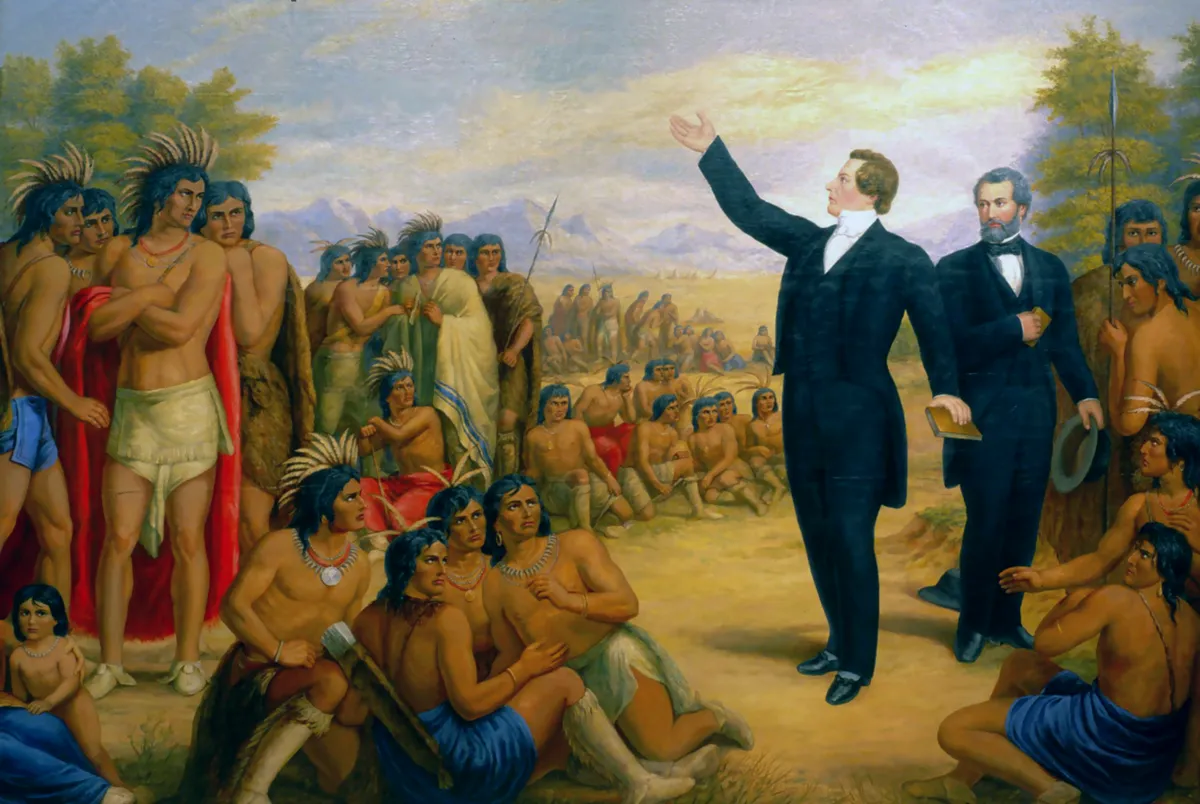
Coming Up Next: Mark 5
Join us next as we continue our journey into Mark 5, where Jesus meets a man possessed by demons, revealing his power over darkness and transforming lives in unexpected ways!